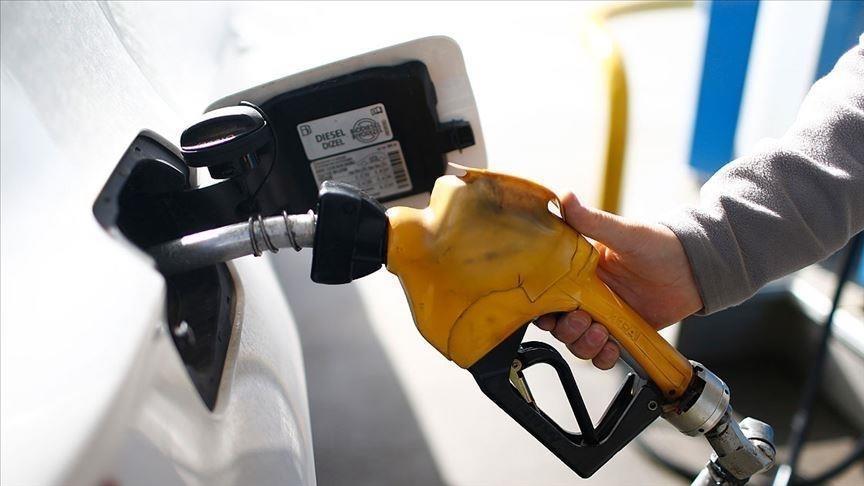
U.S. drivers are feeling the pinch at the pump. Gasoline prices have climbed to their highest level in four years, with the national average for a gallon of regular unleaded topping $3.89 as of late spring. This surge isn’t just another seasonal bump—it’s the result of a tightening web of supply constraints, geopolitical tension, and rising global demand that’s pushing crude oil prices higher and refining capacity to its limits.
The last time Americans paid this much for gas was before the pandemic reset energy markets in 2020. But unlike those earlier peaks, which were often driven by summer demand spikes, today’s increases are rooted in structural shifts and production realities that aren’t likely to reverse quickly.
This isn’t just about a few extra dollars per fill-up—it’s a re-emergence of energy as a central force in household budgets and broader inflation trends. For families already strained by higher costs for groceries, housing, and borrowing, the return of expensive gasoline adds pressure. For policymakers, it’s a reminder of how fragile energy security can be, even in a country that produces more oil than any other.
Why Gas Prices Are Surging Now
The current spike in U.S. gasoline prices stems from three overlapping forces: rising crude oil prices, constrained refining capacity, and stronger-than-expected demand.
Crude oil, the base ingredient in gasoline, now trades near $90 per barrel—up from $70 just six months ago. This climb is fueled by OPEC+ production cuts, ongoing supply uncertainty from conflicts in the Middle East, and a tighter-than-expected global oil balance. The U.S., despite being a top oil producer, still imports crude (especially for specific refining configurations), meaning global prices set the floor.
At the same time, U.S. refining capacity has declined since 2020. Several facilities closed permanently during the pandemic due to low demand and economic pressure. Others have struggled with maintenance delays and operational issues. The result: less ability to process crude into gasoline just when demand is firming.
Demand itself remains robust. Americans are still driving—commuting, road-tripping, and relying on personal vehicles. Data from the Federal Highway Administration shows vehicle miles traveled are back to pre-pandemic levels and climbing. That means more gasoline is needed, especially as summer travel season kicks in.
Put these factors together, and the outcome is predictable: supply is tight, costs are rising, and consumers are paying more.
Regional Disparities: Where Prices Hurt
Most
Gas prices don’t move uniformly across the country. Regional differences in taxes, environmental regulations, and supply chains create wide variations.
As of this reporting, California leads the nation with an average price above $5.20 per gallon—driven by high state taxes, a unique low-carbon fuel standard, and limited refining and supply options. States like Hawaii and Washington follow closely behind.
In contrast, southern states such as Mississippi, Texas, and Oklahoma are seeing prices around $3.40 to $3.60—still up sharply from a year ago but more manageable. These areas benefit from proximity to Gulf Coast refineries, lower state taxes, and access to cheaper inland crude.
| State | Average Gas Price (Regular Unleaded) |
|---|---|
| California | $5.25 |
| Hawaii | $4.95 |
| Washington | $4.60 |
| New York | $4.10 |
| Texas | $3.55 |
| Mississippi | $3.42 |

This regional spread matters because it shapes how different communities experience inflation. A 50-cent difference per gallon translates to $25 per fill-up on a 50-gallon tank—money that could go toward groceries, utilities, or savings.
Drivers in high-cost states are more likely to alter behavior: carpooling, reducing non-essential trips, or even delaying vehicle purchases. Some are reconsidering EV ownership as higher gas prices renew interest in fuel-efficient alternatives.
The Refining Crunch: A Hidden Driver
Most consumers think of gas prices in terms of crude oil. But refining—the process of turning crude into gasoline—is just as critical, and it’s where much of the current pressure is building.
U.S. refineries are running at near-maximum capacity—over 90% utilization—but even that isn’t enough. The problem isn’t just volume; it’s configuration. Some refineries are optimized for diesel or jet fuel, not gasoline. Others have faced unplanned outages.
For example, a fire at a major refining unit in Louisiana in April reduced regional output for weeks. Maintenance delays in the Midwest and California have further tightened supply. These localized issues ripple across supply chains, particularly in areas dependent on pipeline deliveries.
Refineries are also navigating stricter environmental rules and shifting product demands. The transition to lower-carbon fuels adds complexity and cost. Some producers have paused investments, wary of long-term demand for gasoline amid EV growth.
The result? Refining margins—known as the “crack spread”—have widened significantly. That means refiners earn more per barrel of gasoline produced, which helps boost profits but also feeds directly into pump prices.
This refining bottleneck highlights a key vulnerability: the U.S. can produce record amounts of crude oil, but without enough working refineries, that crude doesn’t turn into the gasoline people need.
Geopolitics and Global Markets: The Oil Price Lever
No discussion of today’s gas prices is complete without acknowledging the role of global politics.
OPEC+—led by Saudi Arabia and Russia—has maintained deep production cuts since late 2022, removing over 2 million barrels per day from the market. The goal: support prices and ensure stable revenue. The effect: tighter global supply and upward pressure on crude.
Meanwhile, conflicts in the Middle East, including attacks on shipping in the Red Sea and instability in key oil-producing regions, have introduced risk premiums into oil pricing. Even if actual supply isn’t disrupted, the fear of disruption drives up prices.
On the demand side, China’s recovery has been uneven, but India and other emerging markets are consuming more oil. Global inventories are no longer overstocked. The balance has shifted from surplus to tightness—favoring producers.
The U.S. isn’t immune to these forces. Despite being a net energy exporter, domestic gasoline prices are tied to global crude benchmarks like Brent. When Brent rises, so do U.S. pump prices, regardless of local production levels.
This global linkage means that events thousands of miles away—from a diplomatic shift in OPEC+ meetings to a drone strike in the Persian Gulf—can show up quickly at American gas stations.
Consumer Impact: More Than Just a Fill-Up
Higher gas prices don’t just affect drivers—they ripple through the entire economy.
Transportation costs feed into nearly every consumer good. Shipping, delivery, and logistics all rely on diesel and gasoline. When fuel prices rise, companies pass those costs along. That means higher prices for groceries, electronics, and online orders.

A study by the American Transportation Research Institute found that a $1 increase in diesel prices adds nearly 30 cents per mile in operating costs for truckers. Those costs don’t stay in the cab—they reach consumers in the form of inflation.
For households, fuel is now the third-largest energy expense after housing and electricity. AAA estimates that the average American driver spends about $3,200 per year on gasoline. At current prices, that could jump to $3,600 or more in 2024.
Low-income families are hit hardest. They often live farther from work, rely on older, less fuel-efficient vehicles, and have less flexibility to reduce driving. Unlike wealthier households, they can’t easily absorb a $100 monthly increase in fuel costs.
Some are turning to alternatives—public transit, ride-sharing, or even bicycles—but options are limited in rural and suburban areas. Others are delaying car repairs or maintenance, risking safety and long-term vehicle costs.
What’s Next? Outlook and Uncertainty
The near-term outlook for gasoline prices remains volatile.
Summer driving season typically peaks in July and August, which could keep demand strong. Refineries are expected to operate at high rates, but any unplanned outage could trigger sharp regional price spikes.
On the global stage, OPEC+ policy decisions in the coming months will be critical. If production cuts are extended or deepened, crude prices could climb further. Conversely, if the U.S. releases oil from the Strategic Petroleum Reserve (SPR), it could ease pressure—but that option is limited after recent drawdowns.
Longer term, the U.S. faces a refining capacity dilemma. Building new refineries is unlikely due to cost, regulation, and environmental concerns. Upgrades to existing plants are expensive and slow. Meanwhile, EV adoption remains below expectations, meaning gasoline demand isn’t falling quickly enough to offset supply constraints.
One wildcard is recession. If economic growth slows significantly, demand for gasoline could drop, pulling prices down. But that relief would come at a high cost—job losses, reduced consumer spending, and broader economic pain.
For now, drivers should expect elevated prices through the summer, with potential for further increases if global or refining issues escalate.
Practical Steps to Manage Rising Fuel Costs
While consumers can’t control oil markets, they can take steps to reduce the impact:
- Use fuel-tracking apps like GasBuddy or Waze to find the cheapest stations in real time.
- Drive efficiently: avoid rapid acceleration, maintain steady speeds, and observe the speed limit.
- Keep tires properly inflated—under-inflation increases fuel consumption by up to 3%.
- Combine trips to reduce total miles driven.
- Consider carpooling or flexible work schedules to cut commuting frequency.
- Maintain your vehicle—a poorly tuned engine can reduce fuel economy by 4% to 40%.
- Evaluate fuel rewards programs from grocery stores or credit cards to earn discounts at the pump.
For those in high-cost areas, the jump to electric vehicles becomes more compelling. Even with higher upfront costs, EVs offer lower “fuel” and maintenance expenses over time. With gas prices above $3.80 nationally, the payback period on an EV purchase shortens significantly.
Rising gasoline prices are more than a temporary irritation—they’re a signal of deeper imbalances in energy supply, infrastructure, and global markets. While some relief may come later in the year, the era of cheap fuel appears to be on pause. For drivers, businesses, and policymakers, the lesson is clear: energy resilience matters. Whether through smarter driving habits, investment in alternatives, or strategic fuel planning, adaptation is no longer optional—it’s essential.
FAQ
What should you look for in U.S. Gas Prices Hit Highest Level in 4 Years Amid Supply Squeeze? Focus on relevance, practical value, and how well the solution matches real user intent.
Is U.S. Gas Prices Hit Highest Level in 4 Years Amid Supply Squeeze suitable for beginners? That depends on the workflow, but a clear step-by-step approach usually makes it easier to start.
How do you compare options around U.S. Gas Prices Hit Highest Level in 4 Years Amid Supply Squeeze? Compare features, trust signals, limitations, pricing, and ease of implementation.
What mistakes should you avoid? Avoid generic choices, weak validation, and decisions based only on marketing claims.
What is the next best step? Shortlist the most relevant options, validate them quickly, and refine from real-world results.
:max_bytes(150000):strip_icc():focal(728x145:730x147)/malcolm-in-the-middle-reboot-justin-berfield-erik-per-sullivan-frankie-munz-bryan-cranston-032625-ba641070781e4402978a76b2ed030e7c.jpg)



/cities-skylines-5a0ef1eabeba3300375673ba.png)
