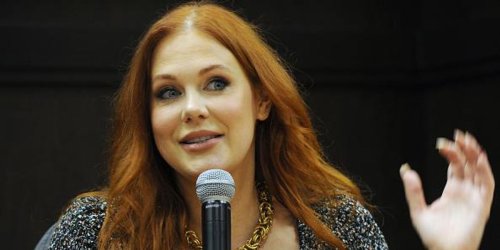
Hollywood has long romanticized the journey of the child star—the wunderkind plucked from obscurity, molded into fame, and thrust into the spotlight. But behind the glittering premieres and fan mail lies a system that often commodifies youth. Former Disney Channel star Maitland Ward has become one of the most vocal critics of this machinery, asserting that young actors in Hollywood are treated not as artists or individuals, but as products in an entertainment factory.
From her early days on Boy Meets World to her candid revelations in memoirs and interviews, Ward’s evolution from ingenue to outspoken advocate underscores a deeper issue: the systemic dehumanization of young performers in an industry built on image, control, and profit.
The Disney Machine: Grooming Stars, Not People
Disney has long held a near-monopoly on childhood stardom. With its squeaky-clean branding and global reach, it launches careers that often peak before adolescence ends. But that launch comes at a cost. Maitland Ward has described her time under Disney’s umbrella as one of intense control—scripted interactions, image management, and emotional suppression.
On Boy Meets World, Ward played Rachel McGuire, the sharp-witted love interest to Ben Savage’s character. By the time she left the show, she was in her early twenties—but her experience began much earlier, shaped by an environment that dictated everything from diet to dating.
“We weren’t allowed to be messy, emotional, or real,” Ward said in a 2023 interview. “We were brand ambassadors first, actors second.”
This isn't unique to Ward. Former co-stars like Demi Lovato, Selena Gomez, and Ariana Grande have also spoken about the pressure to maintain a flawless public image, often at the expense of mental health. The message was clear: deviation from the Disney mold meant career suicide.
From Scripted Roles to Scripted Lives
One of Ward’s most striking claims is that young actors aren't just directed on set—they're micromanaged off it. Her experience reflects a broader pattern where studios and networks extend control far beyond filming hours.
Consider these realities many Disney-affiliated young stars faced:
- Image contracts: Restrictions on clothing, social media, and public statements.
- Chaperone requirements: Mandatory adult supervision even for actors over 18.
- Dating bans: Prohibitions on public relationships to preserve the "girl next door" illusion.
- Emotional suppression: Encouragement (or pressure) to avoid controversial opinions or therapy.
These constraints aren't just policy—they’re part of a product development model. A youthful, marketable face is crafted like a consumer good, with every element optimized for maximum appeal and minimal risk.
Ward has likened it to being in a "Hollywood factory," where the end goal isn't artistic growth but brand consistency. “You’re not nurtured as a person,” she said. “You’re maintained as an asset.”
The Transition Crisis: When the Contract Ends
Perhaps the cruelest irony is that the very system designed to protect young stars often leaves them unprepared for adulthood. When the contracts expire or the show ends, many find themselves without agency, identity, or industry respect.
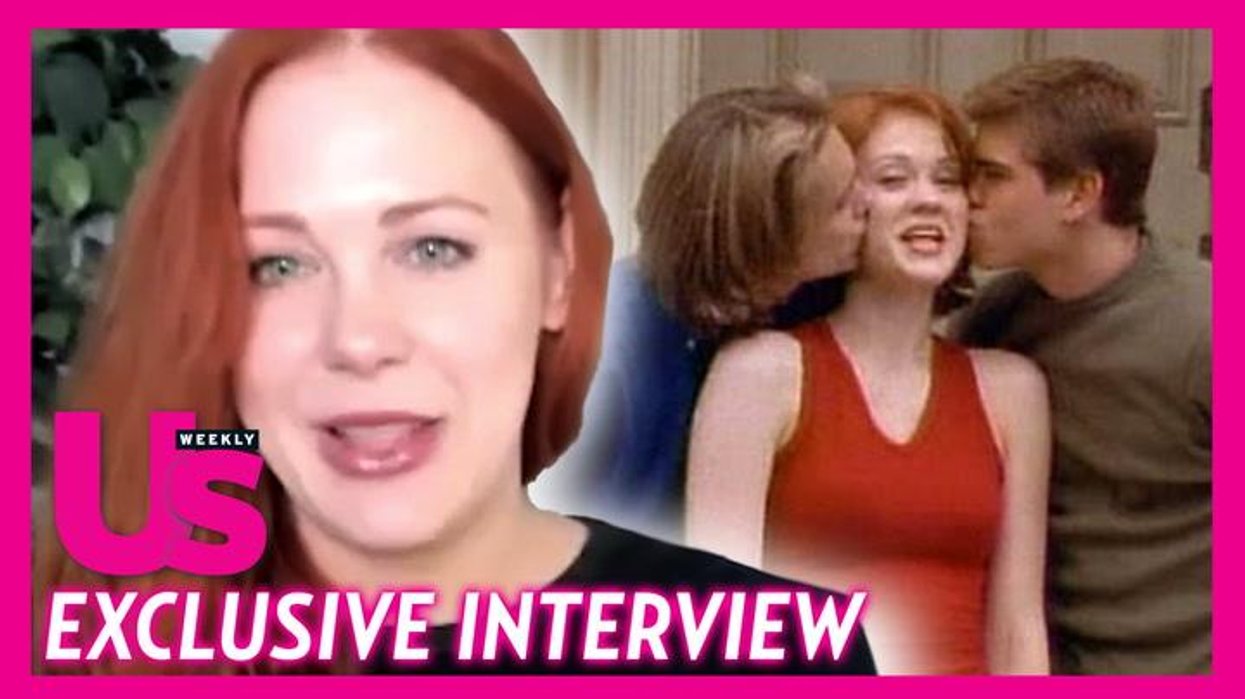
Maitland Ward’s pivot from mainstream television to adult film—documented in her book Rated X: How Porn Liberated Me from Hollywood—was driven partly by a desire for creative control. Paradoxically, she found more autonomy in an industry notorious for exploitation than she ever did under Disney’s polished veneer.
“In adult entertainment, I own my image, my scripts, my schedule. That was never the case before,” Ward stated.
This isn’t an endorsement of any specific career path, but a commentary on power dynamics. For Ward, the choice wasn't about morality—it was about ownership. In Hollywood, she was a product. In her current work, she’s a producer.
Other former child stars echo this sentiment. Drew Barrymore has spoken about being financially drained by her family and the system. Mara Wilson left acting altogether, citing the suffocating weight of public expectation. These aren’t isolated cases—they’re symptoms of a system that invests in youth but discards it once it ages out of marketability.
The Illusion of Support Systems
Hollywood often touts its duty of care toward minors on set. There are mandatory tutors, trust funds (Coogan Law), and strict working-hour laws for child performers. On paper, the scaffolding is there.
In practice, it’s often insufficient or poorly enforced.
- Tutors focus on academics, not emotional health. A child may complete their math homework on set but never receive counseling for anxiety or identity issues.
- Trust funds are often inaccessible. Many young stars earn millions but can’t access their money until adulthood—by which time bad financial habits or family mismanagement may have already taken hold.
- HR doesn’t exist for minors. There’s no confidential channel to report manipulation, grooming, or emotional abuse—especially when parents or guardians are complicit.
Ward has pointed out that the adults around young actors—agents, managers, even family—often benefit financially from their success, creating conflicts of interest. When the child’s well-being clashes with profit, profit usually wins.
The Cost of Early Fame: Mental Health and Identity
The emotional toll of being treated as a product manifests in predictable ways: anxiety, depression, substance abuse, and identity fragmentation.
Ward has openly discussed her struggles with self-worth after leaving Disney. “For years, I didn’t know who I was outside of Rachel McGuire,” she admitted. “When the character faded, I felt like nothing.”
This loss of self isn’t uncommon. Many child stars grapple with what psychologists call “role engulfment”—when a person’s identity becomes so tied to a public persona that they lose touch with their authentic self.
Real-world consequences include:
- Public breakdowns: Britney Spears’ 2007 crisis wasn’t just tabloid fodder—it was the collapse of a woman exploited for years.
- Early exits from the industry: Dakota Fanning and Elizabeth Olsen stepped back from acting in part to reclaim normalcy.
- Substance dependence: The list of child stars who turned to drugs or alcohol as coping mechanisms is long and tragic.
The industry rarely prepares young actors for these pitfalls. There’s no training in media literacy, emotional resilience, or financial literacy. They’re expected to perform without tools to survive the aftermath.
Breaking the Mold: Advocacy and Ownership
What sets Maitland Ward apart is not just her critique—but her action. She hasn’t just spoken out; she’s rebuilt her career on her own terms.

Through her work in adult entertainment, she’s taken control of her image, directed projects, and advocated for performer rights. She’s also become a vocal commentator on industry reform, calling for:
- Mandatory mental health support for young performers.
- Independent advocacy for minors on set, separate from family or management.
- Transparent financial education and access to earnings.
- Post-show transition programs to help young actors reintegrate into life after fame.
She’s not alone. Organizations like A Minor Consideration and the California Child Actor’s Bill (Coogan Law expansion) are pushing for structural change. But progress is slow, and the entertainment factory still prioritizes output over well-being.
Why Ward’s Story Matters Beyond Hollywood
Maitland Ward’s experience isn’t just about one woman’s journey—it’s a case study in how talent, especially young talent, is exploited in image-driven industries.
Her claim that young actors are treated like products applies far beyond Disney. Think of:
- Music: Teen pop acts like the Backstreet Boys or *NSYNC were choreographed, styled, and scheduled to the minute.
- Sports: Youth athletes pushed to peak performance with little regard for long-term health.
- Social media: Kids building personal brands before they’ve formed identities.
The pattern is consistent: take youth, mold it, sell it, and discard it.
The difference is that Ward is speaking from the inside—and refusing to be silenced.
Moving Forward: Reimagining Young Stardom
The solution isn’t to stop young people from acting. It’s to stop treating them as products.
Practical steps the industry could take:
- Independent guardians for minors on set—legally empowered to advocate for well-being, not profit.
- Mandatory therapy and emotional intelligence training as part of the job.
- Delayed public exposure for under-18 performers—limiting press tours and social media demands.
- Ownership of likeness rights that allow young actors to control how their image is used.
- Transition funds to support education, therapy, or career shifts after fame fades.
Until then, stories like Maitland Ward’s will continue to expose the cracks in the system. She didn’t leave Hollywood because she failed—it’s because she succeeded enough to see the truth.
And that truth is simple: no human being should be reduced to a product. Not at 12, not at 22, not ever.
FAQ
Why did Maitland Ward leave mainstream acting? Maitland Ward left due to limited roles, lack of creative control, and a desire to escape the restrictive image imposed on her by Hollywood.
What does Maitland Ward do now? She works in the adult entertainment industry as a performer, director, and advocate, while also speaking publicly about child star exploitation.
Did Disney control Maitland Ward’s personal life? Yes, she has stated that Disney and its affiliates imposed rules on her appearance, relationships, and public statements during her time on Boy Meets World.
Is Maitland Ward the only former Disney star to speak out? No—Demi Lovato, Jamie Lynn Spears, and others have also criticized the industry’s treatment of young performers.
What book did Maitland Ward write? She authored Rated X: How Porn Liberated Me from Hollywood, a memoir detailing her career shift and industry critiques.
How are child actors protected in Hollywood? They’re protected by laws like the Coogan Act (which mandates trust funds), but emotional and psychological safeguards are often inadequate.
Can young actors recover from early fame? Yes, but it often requires therapy, support systems, and time away from the public eye to rebuild identity and autonomy.
FAQ
What should you look for in Maitland Ward on Hollywood’s Treatment of Young Actors? Focus on relevance, practical value, and how well the solution matches real user intent.
Is Maitland Ward on Hollywood’s Treatment of Young Actors suitable for beginners? That depends on the workflow, but a clear step-by-step approach usually makes it easier to start.
How do you compare options around Maitland Ward on Hollywood’s Treatment of Young Actors? Compare features, trust signals, limitations, pricing, and ease of implementation.
What mistakes should you avoid? Avoid generic choices, weak validation, and decisions based only on marketing claims.
What is the next best step? Shortlist the most relevant options, validate them quickly, and refine from real-world results.
:max_bytes(150000):strip_icc():focal(728x145:730x147)/malcolm-in-the-middle-reboot-justin-berfield-erik-per-sullivan-frankie-munz-bryan-cranston-032625-ba641070781e4402978a76b2ed030e7c.jpg)



/cities-skylines-5a0ef1eabeba3300375673ba.png)
